Mooring Ball vs Marina Slip: Which Is Right for Your Boat?
A mooring ball typically runs $50 to $400 a month depending on the harbor, while a marina slip runs $150 to $2,500+ a month depending on boat length, location, and amenities. The right choice comes down to how much you value convenience versus how much you want to save, and how comfortable you are rowing a dinghy in the dark.
I've cleaned hulls on boats sitting on both setups, from Point Loma moorings to slips lining Shelter Island, and I've talked to a lot of owners who picked wrong the first time and switched. There's no universal right answer here. It depends on your boat, your budget, and honestly how much hassle you're willing to put up with to save money.
Key takeaways
- Moorings cost 40-70% less than slips in most harbors, but you give up shore power and dockside convenience
- Slips let you walk on and off your boat, which matters more than people expect once winter or bad weather hits
- Mooring balls mean more hull growth in warm water because there's no scrubbing brush hitting the hull from foot traffic, and no easy access for quick maintenance
- Dinghy logistics are the hidden cost of mooring life, factor in a dinghy, outboard, dock cart, and dinghy dock fees
- Insurance and financing can be pickier about mooring-only boats, especially older or larger vessels
What's the actual cost difference between a mooring and a slip?
Mooring fields are cheaper almost everywhere, but the gap varies a lot by region. In a place like Sausalito or Newport, RI, a mooring ball for a 35-foot boat might run $300-450 a month in season. A comparable slip in the same harbor could be $700-1,200 a month. On the Gulf Coast or in less crowded harbors, both numbers drop, but the ratio holds. Moorings usually land somewhere around half to two-thirds the cost of a slip for the same boat.
What people forget to add in is the dinghy. You need a way to get to and from your boat, which means a dinghy, an outboard (even a small 2.5-15 hp one), oars as backup, and often a fee to use the yacht club or marina's dinghy dock. That can add $50-150 a month plus a few thousand dollars in one-time gear costs if you don't already own a dinghy. Some harbors also charge a small mooring permit or harbor fee on top of the ball rental itself, so always ask what's included before comparing numbers side by side.
What do you give up by choosing a mooring ball?
The biggest thing is convenience. On a slip, you walk down the dock, step aboard, and you're on your boat in under a minute. On a mooring, you're loading gear into a dinghy, motoring or rowing out, tying off, and transferring everything aboard. In calm weather that's a 10-minute chore. In a chop, at night, or with kids and coolers, it's a real production.
Shore power is the other big one. No mooring field I've worked around offers shore power, so you're running on batteries and whatever your solar or wind generation can produce, or you're running the engine or a generator periodically to keep things charged. If you like to leave a fridge running, use AC in the summer, or plug in a battery charger overnight, mooring life makes that a lot harder.
Maintenance access matters too. When your boat sits in a slip, it's easy to hop on for a quick oil check, wipe-down, or small repair on your way to dinner. On a mooring, every visit requires the dinghy trip, so small jobs get put off more often. I've seen moored boats with more growth on running gear and thru-hulls simply because owners visit less often and cleaning access is more of a hassle.
When does a mooring ball make more sense?
If your harbor has limited slip space or a long waitlist, and yours does in a lot of popular boating regions, a mooring might be your only option or your fastest way onto the water. Mooring fields also make sense if you're on a tight budget and comfortable with the dinghy routine, or if you own a smaller boat you don't visit constantly, like a weekend daysailer.
Sailors in places like Maine, the San Juan Islands, and parts of the Chesapeake often prefer moorings because harbors there are set up for it, the mooring fields are well maintained, and the boating culture supports it. If everyone around you is on a mooring, the dinghy dock, fuel dock, and yacht club facilities are usually built to support that lifestyle, which makes it a lot less inconvenient than trying to do it somewhere set up mainly for slips.
When does a slip make more sense?
If you use your boat often, especially on weeknights or short notice, a slip removes the friction that keeps a lot of owners from actually going out. If you run air conditioning, refrigeration, or anything that needs continuous shore power, a slip is close to mandatory unless you've built out serious battery and solar capacity. Liveaboards almost always need a slip for practical reasons, water and power access being the main ones.
Boats over 40 feet also tend to do better in slips just from a handling standpoint. Getting a large boat on and off a mooring ball in wind or current is harder than backing into a slip, and a lot of marinas have finger docks and cleats set up specifically to make that easier.
FAQ
Is a mooring ball cheaper than a marina slip? Yes, in almost every harbor a mooring ball costs less than a comparable slip, often 40-70% less. The exact savings depend on the region and demand for slip space in that harbor.
Do I need a dinghy if I use a mooring ball? Yes. Unless the mooring field offers a launch service (some yacht clubs do during peak season), you need your own dinghy to get to and from your boat, plus a place to dock or store it on shore.
Can I get shore power on a mooring ball? No, mooring fields don't provide shore power. Boats on moorings rely on batteries, solar panels, wind generators, or running the engine periodically to keep systems charged.
Does a mooring ball affect my hull maintenance schedule? It can. Boats on moorings often see more growth between cleanings because there's less routine foot traffic and quick access for a wipe-down, so owners sometimes wait longer between hull cleanings than they should.
Is it harder to insure a boat on a mooring versus a slip? Some insurers ask more questions or apply slightly different terms for mooring-only boats, particularly larger vessels or older hulls, since moorings carry different storm and chafe risks than slips. It's worth a call to your insurance agent before committing either way.
Bottom line
Both setups work well for a lot of owners, it really comes down to how you use your boat and what you're willing to trade for the savings. If you're weighing the decision for your own boat, take a hard look at how often you actually get down to the harbor and whether shore power matters to your setup. If you've got questions about how mooring life affects hull maintenance or cleaning schedules, feel free to reach out, that's the part of this equation I know best.
SCHEMA NOTES
FAQPage Q&As: 1. Q: Is a mooring ball cheaper than a marina slip? A: Yes, in almost every harbor a mooring ball costs less than a comparable slip, often 40-70% less, though exact savings depend on regional demand for slip space. 2. Q: Do I need a dinghy if I use a mooring ball? A: Yes, unless the mooring field offers a launch service, you need your own dinghy plus a place to dock or store it on shore. 3. Q: Can I get shore power on a mooring ball? A: No, boats on moorings rely on batteries, solar, wind generation, or periodic engine running instead of shore power. 4. Q: Does a mooring ball affect my hull maintenance schedule? A: Yes, boats on moorings often see more hull growth between cleanings due to less frequent access and routine foot traffic. 5. Q: Is it harder to insure a boat on a mooring versus a slip? A: Some insurers apply different terms for mooring-only boats due to storm and chafe risk, so it's worth checking with your agent before deciding.
BlogPosting summary: A practical cost and convenience comparison between mooring balls and marina slips to help boat owners choose the right home-port setup for their needs.
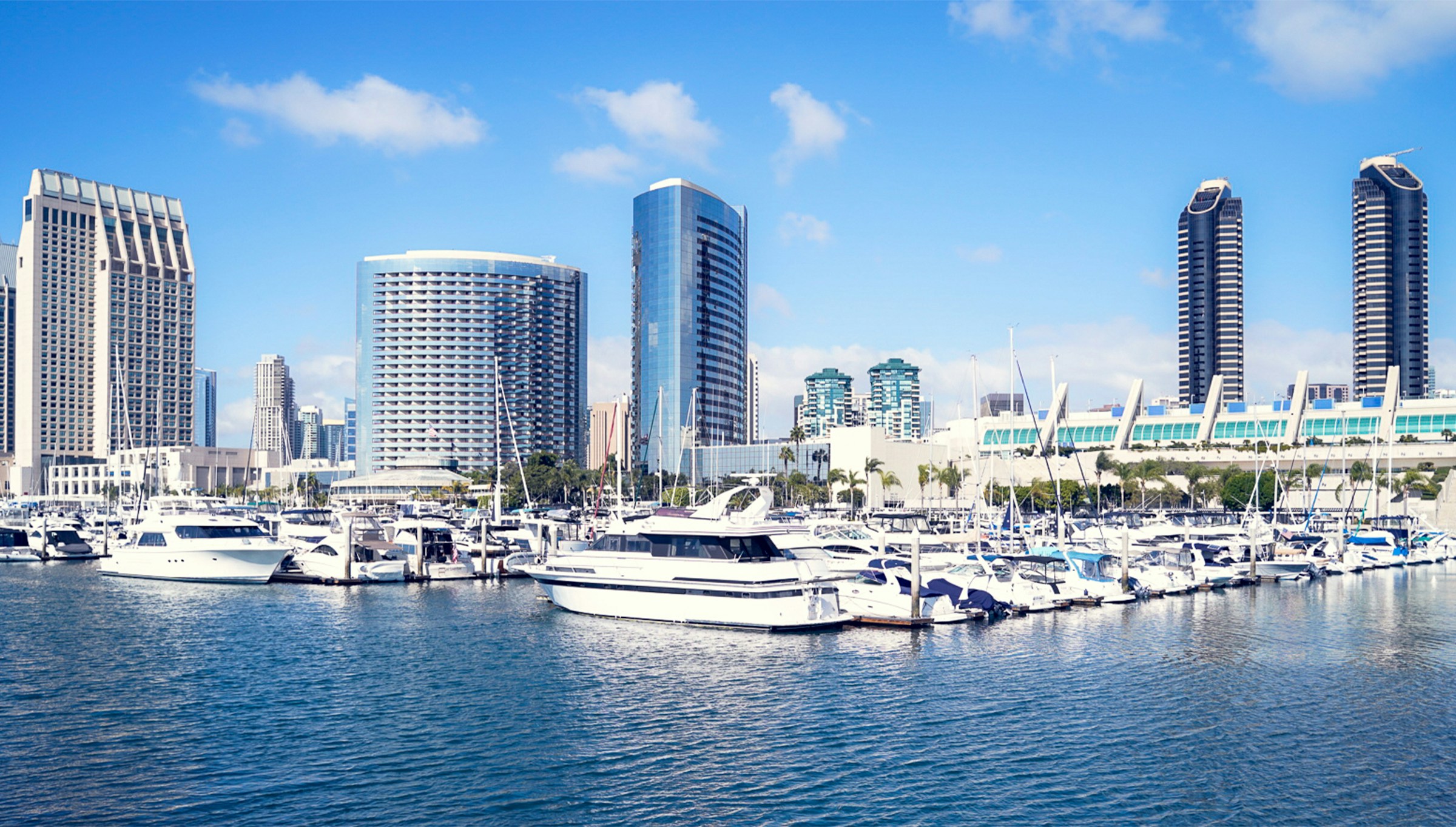
Suggested images: - Alt: "Sailboat tied to a mooring ball in a harbor with dinghy alongside" - Alt: "Rows of boats docked in marina slips with shore power pedestals"
Ready for a cleaner, faster hull?
San Diego underwater hull cleaning, zinc replacement, and dive surveys. Owner-operated, permitted, and on a schedule you can count on.
Get your free quote