Propspeed and Prop Coatings: Are They Worth It in San Diego?
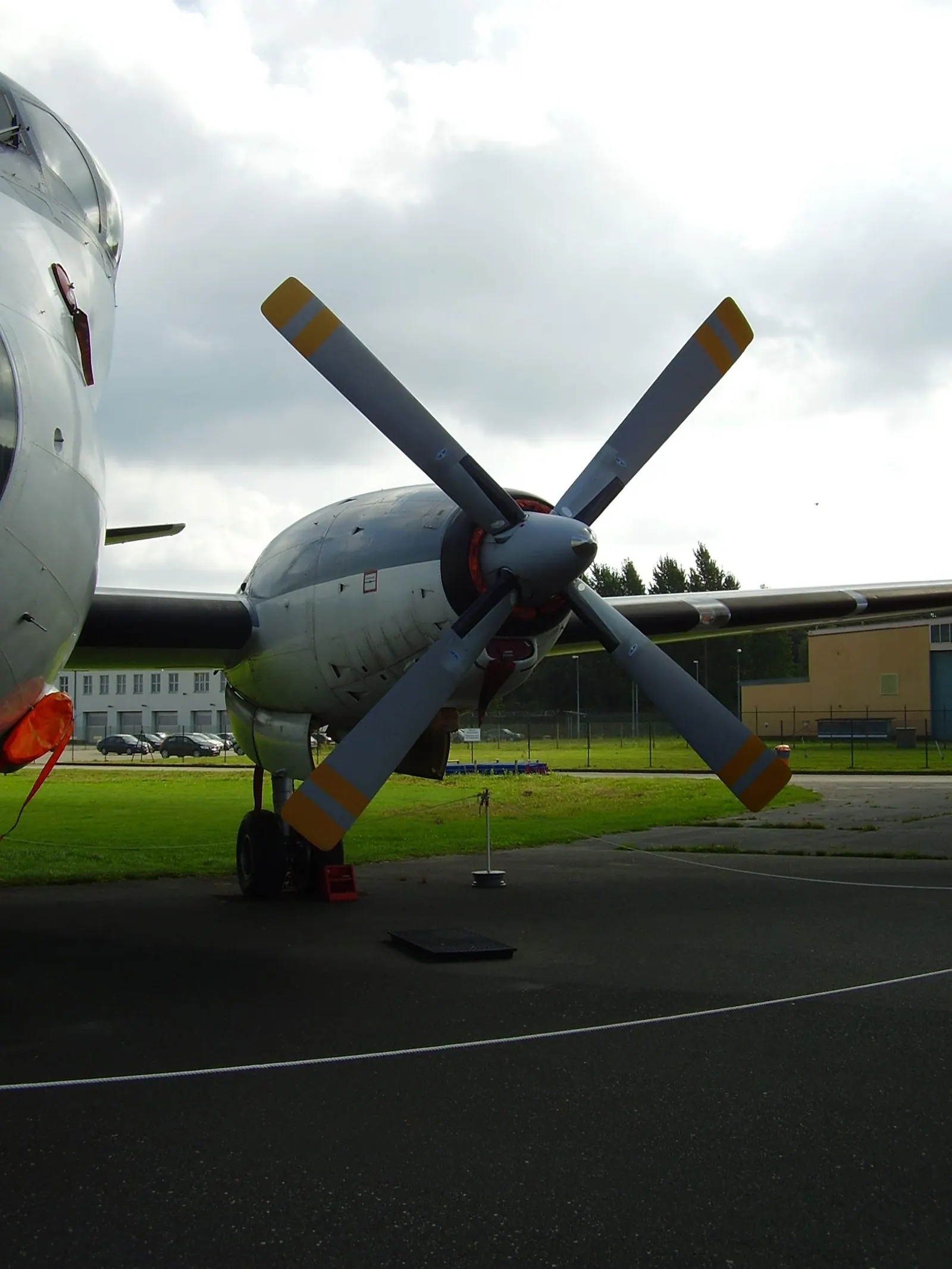
For most San Diego boats that run regularly, a prop coating like Propspeed is worth it. A foul-release coating keeps barnacles and hard growth from bonding to your propeller and running gear, so the prop stays clean, the boat runs smoother, and your between-dive prop cleaning gets faster. The honest answer on whether prop speed is worth it depends on how often you run the boat. Active boats get the most out of it. A boat that sits in the slip month after month gets less value, because a coating works best when water moves over it.
Key takeaways
- Propspeed is a foul-release coating, not an antifouling poison. It does not kill growth, it makes the prop too slick for growth to stick.
- It contains no copper, which fits San Diego Bay's push to cut copper in the water.
- A coating typically lasts about 1 to 2 years before it needs reapplication, and that is done out of the water at a haulout.
- It works best on boats that run often. Movement helps shed the slime before it can set.
- It does not replace cleaning. You still need recurring hull and prop attention, the coating just makes the prop side easier.
What is a prop coating and how does Propspeed work?
A prop coating is a clear, slick layer applied to bare metal running gear: the propeller, shaft, struts, trim tabs, and outdrive lower units. Propspeed is the best-known brand, but the category is called foul-release coating. The idea is simple. Bare bronze and stainless are prime real estate for barnacles. Hard growth bonds to metal fast and is a pain to remove. A foul-release coating gives growth nothing to grab. When the boat runs, the slime and any soft growth wash right off. What does stay is loose and wipes away easily on the next dive.
This is different from antifouling bottom paint, which uses copper or another biocide to slow growth on the hull. You do not put copper bottom paint on a spinning prop, it would not last and it would hurt efficiency. A foul-release coating is the running-gear answer.
Is Propspeed worth it for a San Diego boat?
Here is the local reality. San Diego water is warm and biologically active year round. A bare prop in a Shelter Island, Harbor Island, or Point Loma slip will grow a fuzzy beard of slime in a couple of weeks and start picking up barnacles within a month or two if the boat sits. That growth causes vibration, lost speed, and wasted fuel.
So the value of a coating comes down to your usage:
- You run the boat most weekends: a coating is usually worth it. The prop stays clean between dives and your running gear holds its shape.
- You run occasionally but want fewer surprises: a coating still helps, paired with a recurring dive.
- The boat rarely leaves the slip: a coating gives less return because nothing is washing the prop. You may be better served by simply cleaning the prop more often on a recurring plan.
A clean prop matters more than owners think. If you want the full picture on that, read why a clean propeller matters.
Prop coating vs cleaning more often: which makes sense?
You do not have to choose just one. The smart setup is both: a coating to make the prop resist growth, plus a recurring diver to keep the whole boat in shape. But if you are weighing one against the other, here is the comparison.
| Factor | Prop coating (Propspeed) | Cleaning more often only |
|---|---|---|
| Upfront cost | Higher, applied at haulout | Lower, no haulout needed |
| How long it lasts | About 1 to 2 years | Ongoing per dive |
| Copper in the water | None | None with soft-cloth method |
| Best for | Boats that run regularly | Boats that sit, or budget-minded owners |
| Effect on between-dive cleaning | Faster, easier prop cleaning | Standard prop cleaning each visit |
| Requires haulout | Yes, to apply | No |
The point is, a coating reduces how much fight there is on the prop. The recurring diver is still your maintenance backbone for the hull, the zinc anodes, and the rest of the running gear.
When does a prop coating pay for itself?
A foul-release coating pays off when it saves you from the costs of a fouled prop. A heavily fouled propeller can rob a meaningful chunk of speed and efficiency, and the vibration from uneven growth wears bearings and seals over time. If a coating keeps your prop near-clean for a year or two of regular running, the fuel and wear-and-tear savings, plus the easier dive work, usually justify the application cost for an active boat.
It is worth being honest about the limits. A coating is not magic. It still needs a clean, properly prepped surface to bond to, and it wears at the leading edges over time. By around the 1 to 2 year mark most coatings need refreshing, which lines up naturally with a bottom-paint haulout cycle. When the boat is hauled for paint anyway, recoating the running gear is an easy add-on.
How does a prop coating fit San Diego's copper rules?
This is a real San Diego angle worth knowing. The Shelter Island Yacht Basin has a copper TMDL, a regulatory target to cut the copper load in the water, and the broader Port of San Diego in-water cleaning permit pushes operators toward soft-cloth best practices that do not grind copper paint into the bay. A foul-release prop coating fits that direction because it contains no copper. It resists growth physically, not chemically. So coating your running gear is a clean-water-friendly choice, on top of being a performance one.
FAQ
How long does Propspeed last on a prop? Typically about 1 to 2 years on a boat that runs regularly. Leading edges wear first. Most owners refresh the coating at the same haulout where they repaint the bottom, so it fits the normal maintenance cycle.
Does a prop coating mean I can skip prop cleaning? No. A coating makes growth easier to remove and slows it down, but you still want a diver checking and wiping the prop on a recurring schedule. The coating reduces the work, it does not eliminate it.
Is Propspeed worth it if my boat just sits in the slip? Less so. A foul-release coating works best when water moves over the prop and sheds the slime. A boat that rarely runs may get better value from simply cleaning the prop more often on a recurring dive plan.
Can you apply a prop coating in the water? No. Foul-release coatings need a dry, prepped surface to bond, so they are applied out of the water at a haulout. We can clean and inspect your running gear in the water and time the coating for your next yard visit.
Does a prop coating have copper in it? No. That is part of why it suits San Diego. It resists fouling by being slick, not by leaching copper, which fits the bay's copper-reduction goals and the soft-cloth cleaning approach.
Ready to talk it through?
Tell us how often you run your boat and when your next haulout is, and we will tell you straight whether a prop coating earns its keep for your setup. Get a quote from CaliCoast Marine Services and we will fold prop care into your recurring dive.
SCHEMA NOTES
FAQPage Q&As: 1. Q: How long does Propspeed last on a prop? A: Typically about 1 to 2 years on a boat that runs regularly. Leading edges wear first. Most owners refresh the coating at the same haulout where they repaint the bottom, so it fits the normal maintenance cycle. 2. Q: Does a prop coating mean I can skip prop cleaning? A: No. A coating makes growth easier to remove and slows it down, but you still want a diver checking and wiping the prop on a recurring schedule. The coating reduces the work, it does not eliminate it. 3. Q: Is Propspeed worth it if my boat just sits in the slip? A: Less so. A foul-release coating works best when water moves over the prop and sheds slime. A boat that rarely runs may get better value from cleaning the prop more often on a recurring dive plan. 4. Q: Can you apply a prop coating in the water? A: No. Foul-release coatings need a dry, prepped surface to bond, so they are applied out of the water at a haulout. We can clean and inspect running gear in the water and time the coating for your next yard visit. 5. Q: Does a prop coating have copper in it? A: No. It resists fouling by being slick, not by leaching copper, which fits San Diego Bay's copper-reduction goals and the soft-cloth cleaning approach.
BlogPosting summary: An operator's take on whether Propspeed and prop coatings are worth it in San Diego, explaining foul-release coatings, usage-based value, ~1 to 2 year lifespan, the copper-free fit with bay rules, and a coating-versus-cleaning comparison.
Ready for a cleaner, faster hull?
San Diego underwater hull cleaning, zinc replacement, and dive surveys. Owner-operated, permitted, and on a schedule you can count on.
Get your free quote