
Racing Sailboat Bottom Prep: Cleaning Before a Regatta
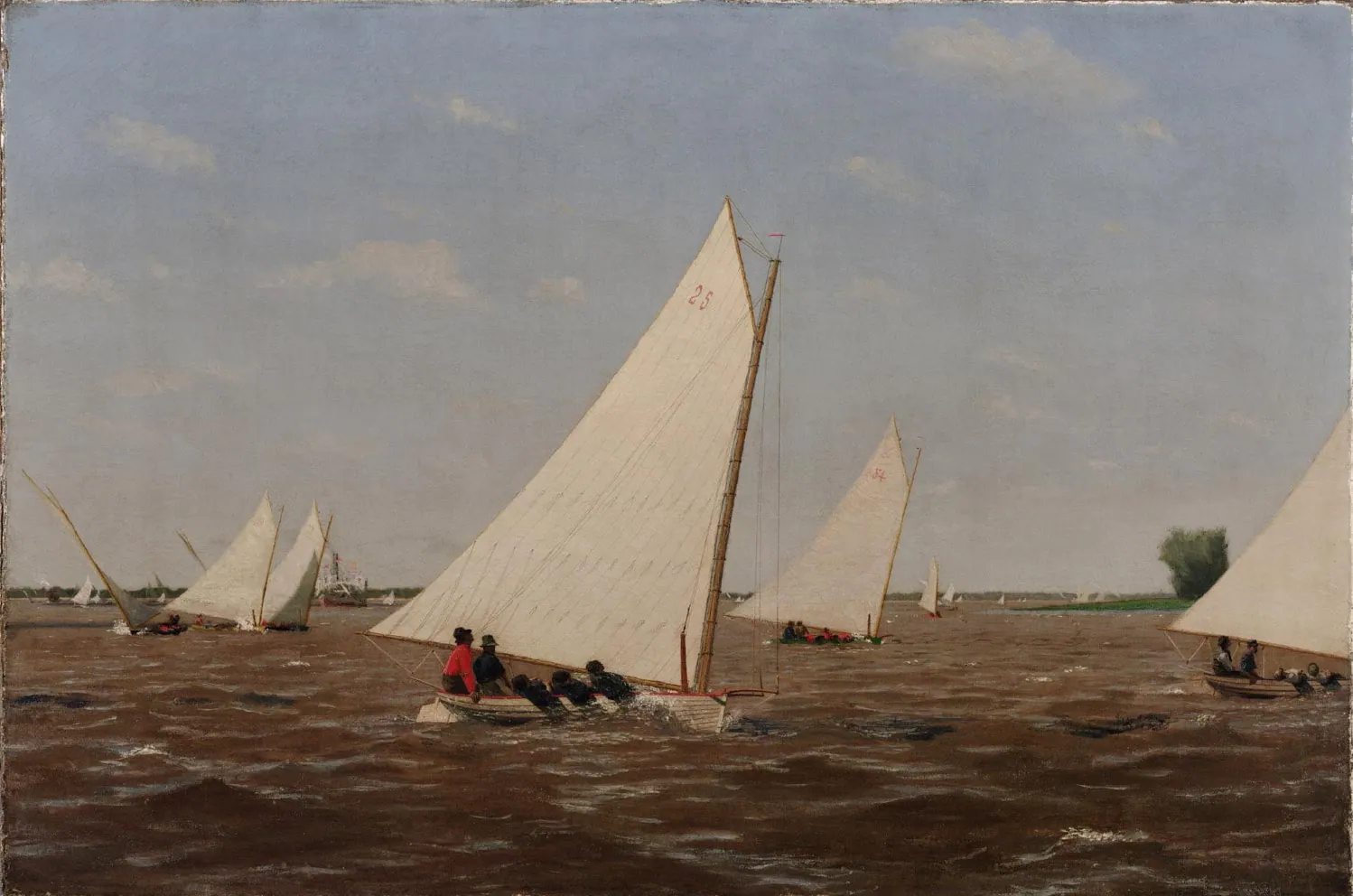
If you're racing, get your hull cleaned 48 to 72 hours before the start, not the morning of. A clean bottom with the slime layer removed can be worth several tenths of a knot upwind, which adds up over a windward-leeward series. Wait too long after cleaning and that thin film of growth starts creeping back before you even hit the starting line.
San Diego Bay grows slime fast, especially in the warmer months from June through October. A boat that looks fine at the dock can already have a soft biofilm on the bottom within two weeks of the last cleaning, and that film is enough to slow a race boat down even if it's invisible from the dock.
Key takeaways
- 48-72 hours before racing is the ideal cleaning window, not the morning of the regatta
- A soft slime layer can cost you several tenths of a knot upwind, even if the hull looks clean
- Prop and strut cleaning matters as much as the hull for acceleration out of tacks
- Growth rates spike in summer and early fall in San Diego Bay, so racers need tighter cleaning cycles then
- A pre-regatta dive with video lets you confirm bottom condition before you're committed to the start line
How far before a regatta should I clean my hull?
Two to three days out is the sweet spot. Clean too early, like a week before, and by race day you've already got new film forming, especially in warmer water near Shelter Island or up in Mission Bay where flushing is slower. Clean the morning of and you risk having a diver still in the water when you need to be rigging and provisioning.
I've had racing clients ask for a cleaning the night before a Wednesday beer can series or a weekend regatta out of Point Loma. That timing works well because it gives the antifouling paint a day to settle after the cloth pass, and the hull stays essentially slime-free through the racing window.
If you're doing a multi-day regatta like Yachting Cup or a distance race, plan the cleaning for two days before day one, not the morning of day one. You want the hull performing at its best for the whole series, not just the first race.
What actually slows a racing hull down
It's not really barnacles killing your speed most of the time, it's the early soft growth you can't see from the deck. Slime creates drag before you ever get visible fouling. That drag shows up most in light air, when boat speed depends on minimizing every bit of resistance through the water.
Props and struts matter just as much as the hull for a racer. A fouled prop blade or a dirty strut disrupts flow to the rudder and keel, which affects helm feel and acceleration coming out of tacks. I always do prop and running gear as part of a pre-regatta cleaning, not as an afterthought.
Waterline and boot stripe buildup is another one people miss. Growth right at the waterline adds drag exactly where the boat is cutting through the surface. A soft-cloth pass along that line makes a real difference and it's quick work for a diver who knows what to look for.
Does the type of antifouling paint change the plan?
Yes. Ablative and hard racing paints respond differently to cleaning frequency. Hard paints used on a lot of local race boats can handle more frequent light cleanings without losing effectiveness, which is useful if you're racing every week through the summer series. Ablative paints wear down with aggressive or frequent cleaning, so I go lighter on those and rely more on soft cloth passes to avoid stripping the coating early in the season.
If you race weekly out of Shelter Island or Harbor Island, tell me what paint is on the bottom and how often you're racing. I'll set a cleaning interval that matches your paint type instead of just running a generic schedule.
What about the Shelter Island copper zone and racing boats
A lot of the racing fleet sits in the Shelter Island TMDL zone, which means copper discharge limits apply and we use soft-cloth cleaning methods there regardless of what class you're racing in. This doesn't slow anything down or compromise the clean, it just means I'm not using aggressive pads or abrasive tools on those hulls. The soft-cloth BMP standard protects your antifouling paint too, so it's not just a compliance thing, it actually extends the life of your bottom job.
FAQ
How many days before a race should I get my hull cleaned? Two to three days out is ideal. That gives the paint a little time to settle after cleaning while staying ahead of new slime growth, which can start forming again within a week in San Diego's warmer months.
Will cleaning the morning of the race help more? Not really, and it adds risk to your race-day schedule. A dive 48-72 hours out gets you a clean, settled bottom without a diver in the water while you're trying to rig and get to the start.
Does prop cleaning matter for sailboat racing? Yes, especially for maneuvering. A clean prop and strut improve flow to the rudder and keel, which helps with tacking response and light-air acceleration, not just motoring speed.
Can frequent cleaning damage my racing paint? It depends on the paint. Ablative paints wear faster with aggressive or frequent cleaning, so I use lighter soft-cloth passes on those. Hard racing paints tolerate more frequent light cleaning without much wear.
Do you offer cleaning packages for boats racing all season? Yes. A lot of racers do well on the Bi-Monthly or Monthly plan depending on how often they're racing, and the Six-Pack or Annual 12-cleaning pack works out cheaper per dive if you're racing regularly through the season.
Ready to prep your hull for race day
I dive Shelter Island, Harbor Island, Point Loma, Coronado, and the rest of the bay, and I can usually get a pre-regatta cleaning scheduled the same week you call. Every dive is me in the water, not a crew member you've never met, so I know exactly what your bottom looked like the last time and what it needs this time.
Get a quote or book a hull cleaning here.
SCHEMA NOTES
FAQPage Q&As: 1. Q: How many days before a race should I get my hull cleaned? A: Two to three days out is ideal. That gives the paint a little time to settle after cleaning while staying ahead of new slime growth, which can start forming again within a week in San Diego's warmer months. 2. Q: Will cleaning the morning of the race help more? A: Not really, and it adds risk to your race-day schedule. A dive 48-72 hours out gets you a clean, settled bottom without a diver in the water while you're trying to rig and get to the start. 3. Q: Does prop cleaning matter for sailboat racing? A: Yes, especially for maneuvering. A clean prop and strut improve flow to the rudder and keel, which helps with tacking response and light-air acceleration, not just motoring speed. 4. Q: Can frequent cleaning damage my racing paint? A: It depends on the paint. Ablative paints wear faster with aggressive or frequent cleaning, so lighter soft-cloth passes work better on those. Hard racing paints tolerate more frequent light cleaning without much wear. 5. Q: Do you offer cleaning packages for boats racing all season? A: Yes. Racers often do well on the Bi-Monthly or Monthly plan depending on race frequency, and the Six-Pack or Annual 12-cleaning pack lowers the per-dive cost for a full racing season.
BlogPosting summary: A practical guide for competitive sailors in San Diego on timing hull and prop cleanings before regattas to maximize boat speed without damaging racing paint.
Suggested images: - Alt: "Diver cleaning the hull of a racing sailboat in San Diego Bay before a regatta" - Alt: "Close-up of a sailboat propeller and strut being cleaned underwater near Shelter Island"
Ready for a cleaner, faster hull?
San Diego underwater hull cleaning, zinc replacement, and dive surveys. Owner-operated, permitted, and on a schedule you can count on.
Get your free quote