How to Remove Barnacles Without Wrecking Your Gelcoat or Paint
To remove barnacles from a boat hull without damaging the gelcoat or paint, use a plastic scraper held at a low 30 to 45 degree angle and push the barnacle off sideways, never dig straight in. On painted bottoms, use a soft cloth or pad and the lightest tool that works, and do not gouge down to bare gelcoat chasing the last calcified ring. The goal is to pop the barnacle off, not to grind the surface under it.
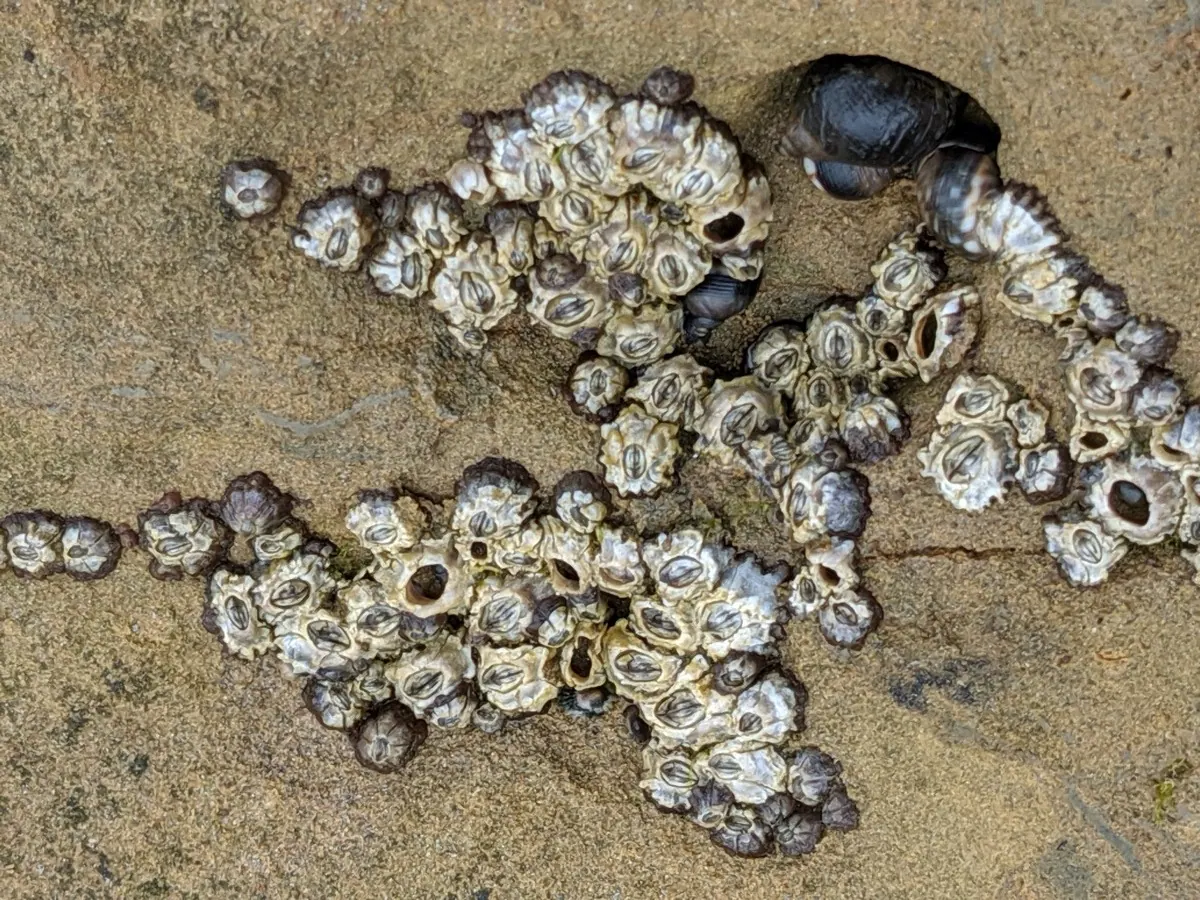
Barnacles are hard, calcified shellfish that cement themselves to your hull. Get aggressive and you strip antifouling paint or scratch gelcoat, which is expensive to fix and invites faster regrowth. Here is how to take them off cleanly, the way we do it in the water across San Diego.
Quick answer
- Use plastic, not metal. A plastic scraper or putty knife pops barnacles without scoring gelcoat or paint.
- Low angle. Hold the scraper at about 30 to 45 degrees and push sideways, not straight down.
- Soft tools first on paint. A non-abrasive cloth or pad protects antifouling. Save scrapers for hard barnacles only.
- Catch them early. Soft, young growth wipes off. Old barnacles cement hard and are the ones that cause damage.
- In-water cleaning in San Diego uses the soft-cloth method by rule, which protects both the bay and your paint.
Why do barnacles damage gelcoat and paint when removed wrong?
A barnacle glues itself down with a tough natural cement and builds a calcified base ring that bonds into the surface. Gelcoat, the smooth outer layer on a fiberglass hull, and antifouling paint, the bottom coating that slows growth, are both softer than that base. So when people attack a barnacle with a metal scraper or grinder, the tool digs past the barnacle and into the surface, leaving gouges and bare spots.
Those bare spots are the real problem. Stripped antifouling means that patch fouls faster next time, and scratched gelcoat can let water into the laminate over the long run. The trick is removing the animal while leaving the surface intact.
What tools should you use?
Match the tool to the surface and to how hard the growth is. From gentlest to most aggressive:
- Non-abrasive cloth or sponge. For slime and soft early growth. This is the standard for in-water cleaning on painted bottoms in San Diego and the gentlest on paint.
- Plastic pad or soft brush. For light grass and stubborn slime. Still safe on most antifouling.
- Plastic scraper or putty knife. For actual hard barnacles. Plastic flexes and pops the barnacle without scoring the surface.
- Stainless scraper. Only on bare gelcoat above the waterline or on very hard growth where nothing else works, and only with a careful low angle. Never the first choice on painted bottoms.
Skip the metal grinder, the wire wheel, and the pressure washer aimed at one spot. Those remove barnacles and your paint in the same pass.
What is the right technique?
The angle and direction matter more than force.
- Hold the scraper at a low 30 to 45 degree angle to the hull. A low angle slides under the barnacle's base instead of digging into the surface.
- Push sideways to shear the barnacle off, the way you would flip a pancake, not straight down like a chisel.
- Let the barnacle pop. A clean release means you got the animal and left the surface.
- Do not chase the last calcified ring. If a thin base ring stays bonded to a painted hull, leaving it is often smarter than gouging down to bare gelcoat to remove it. The ring is cosmetic, the gouge is damage.
- Work wet. Underwater or with the surface wet, growth releases easier and you generate less dust and friction heat.
This is exactly why a trained diver beats aggressive DIY. The judgment call of when to stop, before you hit bare gelcoat, is what protects your bottom paint and saves you a repaint.
DIY scraping vs a trained diver: what is the difference?
| Approach | Tools | Risk to gelcoat/paint | Best for |
|---|---|---|---|
| Aggressive DIY | Metal scraper, grinder, pressure washer | High, strips paint and scores gelcoat | Not recommended |
| Careful DIY | Plastic scraper, soft pad, low angle | Moderate, easy to overdo | Trailered boat out of water, light growth |
| Trained diver (soft-cloth BMP) | Soft cloth, plastic tools, low-angle technique | Low, removes growth and preserves paint | In-water cleaning in San Diego |
For an in-water boat in San Diego, the trained-diver path is not just gentler, it is the method required by the bay's cleaning rules.
How San Diego rules shape barnacle removal
In San Diego, in-water hull cleaning is done under the Port of San Diego in-water cleaning permit, and the standard is the soft-cloth best management practice, or BMP. That means using the softest effective tool, working gently to avoid stripping copper antifouling paint into the water, and not blasting paint off the hull. Around Shelter Island specifically, the copper TMDL, a water-quality limit on how much copper can wash off boat bottoms, makes gentle cleaning a legal expectation, not just good practice.
Here is the part that helps you: the rule that protects the bay also protects your paint. Soft-cloth cleaning on a regular schedule removes growth while it is still soft, before barnacles ever cement hard. When we dive Shelter Island, Harbor Island, and Coronado on a recurring cadence, we rarely face a calcified barnacle field, because we get the growth young. The fastest way to never wreck your gelcoat is to never let barnacles get hard in the first place. See recurring vs one-time hull cleaning for why a schedule wins, and how cleaning extends bottom paint life for the paint side of it.
FAQ
Can I remove barnacles from my hull myself? Yes, on a trailered boat out of the water you can, using a plastic scraper at a low 30 to 45 degree angle and a soft pad for the rest. Avoid metal tools and grinders. For an in-water boat in San Diego, cleaning is permitted work done with the soft-cloth method, so most owners hire a diver.
What removes barnacles without damaging gelcoat? A plastic scraper or putty knife held at a low angle, plus a non-abrasive cloth or pad for the softer growth. Plastic pops the barnacle off without scoring the gelcoat, and a low angle keeps the tool from digging into the surface.
Will removing barnacles ruin my bottom paint? It can if you scrape too hard or use metal tools, which strip antifouling and create bare patches that foul faster. Done gently with soft tools and a low angle, barnacle removal leaves the paint intact. This is why regular, gentle cleaning beats one aggressive scrape.
Should I leave the white ring after a barnacle pops off? On a painted bottom, often yes. If a thin calcified base ring stays bonded, gouging it off can cut into the paint or gelcoat. The ring is cosmetic, while the gouge is real damage, so a trained diver usually leaves it rather than digging to bare surface.
Why are barnacles so hard to remove in San Diego? Warm San Diego saltwater grows barnacles fast and lets them cement hard if a hull goes too long between cleanings. Once they calcify, they bond tightly and resist gentle tools. The fix is frequency: clean every few weeks so growth never gets that hard.
Keep barnacles off the gentle way
The easiest way to remove barnacles without wrecking your gelcoat is to never let them get hard. We clean in the water with the soft-cloth method across Shelter Island, Harbor Island, Point Loma, Coronado, Mission Bay, and the Embarcadero. Book a hull clean and keep your bottom smooth and your paint intact.
SCHEMA NOTES
FAQPage Q&As: 1. Q: Can I remove barnacles from my hull myself? A: Yes, on a trailered boat out of the water you can, using a plastic scraper at a low 30 to 45 degree angle and a soft pad for the rest. Avoid metal tools and grinders. For an in-water boat in San Diego, cleaning is permitted work done with the soft-cloth method, so most owners hire a diver. 2. Q: What removes barnacles without damaging gelcoat? A: A plastic scraper or putty knife held at a low angle, plus a non-abrasive cloth or pad for the softer growth. Plastic pops the barnacle off without scoring the gelcoat, and a low angle keeps the tool from digging into the surface. 3. Q: Will removing barnacles ruin my bottom paint? A: It can if you scrape too hard or use metal tools, which strip antifouling and create bare patches that foul faster. Done gently with soft tools and a low angle, barnacle removal leaves the paint intact. This is why regular, gentle cleaning beats one aggressive scrape. 4. Q: Should I leave the white ring after a barnacle pops off? A: On a painted bottom, often yes. If a thin calcified base ring stays bonded, gouging it off can cut into the paint or gelcoat. The ring is cosmetic, while the gouge is real damage, so a trained diver usually leaves it rather than digging to bare surface. 5. Q: Why are barnacles so hard to remove in San Diego? A: Warm San Diego saltwater grows barnacles fast and lets them cement hard if a hull goes too long between cleanings. Once they calcify, they bond tightly and resist gentle tools. The fix is frequency: clean every few weeks so growth never gets that hard.
BlogPosting summary: A San Diego diver's how-to on removing barnacles from a boat hull without damaging gelcoat or paint, covering plastic tools, a low 30 to 45 degree scraper angle, leaving the calcified base ring, and the soft-cloth BMP method.
Ready for a cleaner, faster hull?
San Diego underwater hull cleaning, zinc replacement, and dive surveys. Owner-operated, permitted, and on a schedule you can count on.
Get your free quote