What Is Transient Dockage? How to Book a Guest Slip When Cruising
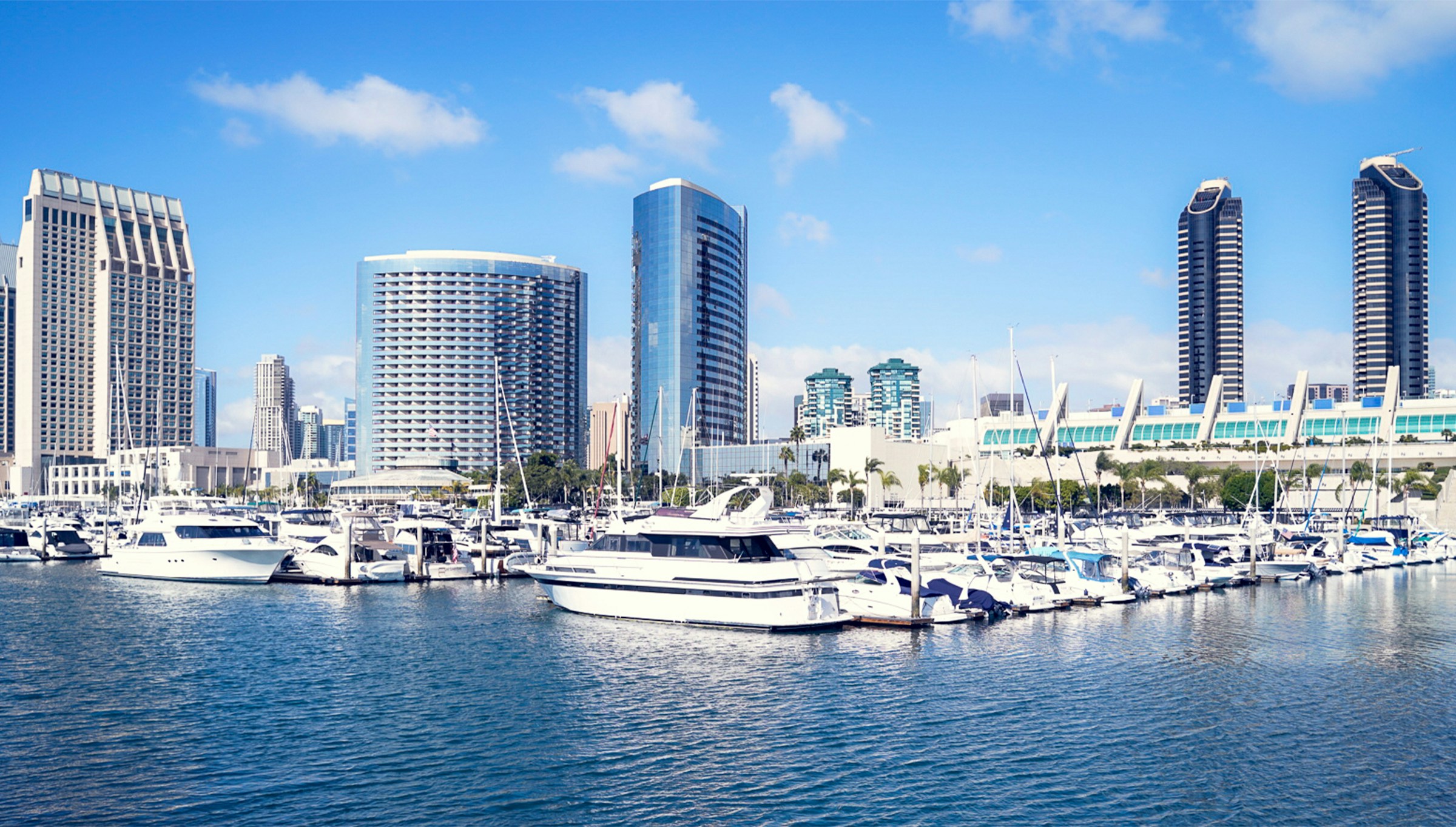
Transient dockage is a short-term slip rental for a visiting boat, usually billed by the night and priced per foot of boat length. Rates typically run $1 to $4 per foot per night depending on the region and season, and reservation windows range from same-day booking to 6-12 months out for popular marinas during peak summer months.
I spend most of my working life underwater in marinas, so I'm on the docks constantly and I see the same thing every season. A boat pulls in around 4pm looking for a slip, the marina office already closed, and the crew ends up anchoring out or backtracking twenty miles to the last place with room. Booking transient dockage right isn't complicated, but most boaters figure it out the hard way the first time.
Key takeaways
- Transient dockage means a temporary slip for a visiting boat, not a leased or owned slip.
- Nightly rates commonly run $1-$4 per foot, with higher pricing in South Florida, the Northeast in summer, and any harbor during a big regatta or holiday weekend.
- Popular marinas in peak season fill up 1-6 months in advance, especially in the Florida Keys, Chesapeake Bay, and coastal Maine.
- Most marinas want your LOA, beam, draft, and power needs (30 amp, 50 amp, or shore power at all) before they'll confirm a slip.
- Calling ahead on VHF as you approach, even after a phone reservation, is still standard practice at almost every marina in the country.
What Does "Transient Dockage" Mean?
Transient dockage is any slip rented on a short-term basis to a boat that doesn't permanently live there. It could be one night on your way down the Intracoastal Waterway, or it could be a few weeks tied up while you wait out weather or visit family. The word "transient" just refers to your boat's status, passing through, not the condition of the dock.
This is different from a permanent slip lease, which is usually a monthly or annual contract tied to a specific berth. Marinas set aside a certain number of slips (sometimes just a handful, sometimes an entire section of the marina) specifically for transient boats, and that inventory is what you're competing for during busy weekends.
How Much Does Transient Dockage Cost?
Pricing is almost always quoted per foot of length overall (LOA), per night. On the low end, quiet marinas in the Gulf Coast or inland rivers might run $1.00 to $1.50 per foot. On the high end, marinas in South Florida during winter snowbird season, or anywhere near a major boat show or regatta, can hit $3.50 to $4.00 per foot or more.
A few things that move the price:
Length overall is what gets billed, not waterline length, so a boat with a bow pulpit or swim platform pays for the full LOA. Power hookup (30 amp vs 50 amp vs 100 amp three-phase for bigger yachts) is sometimes bundled in and sometimes billed separately. Some marinas charge extra for pump-out, wifi, or laundry, and some fold it all into one rate. Holiday weekends (Fourth of July, Labor Day) can carry a surcharge of 10-25% at marinas that see heavy demand.
Always ask for the all-in nightly rate before you commit, including tax, so there's no surprise at checkout.
When Should You Book a Guest Slip?
This depends entirely on where you're going and when. A marina in a quiet Gulf Coast town in October might have room if you call that morning. A marina in Newport, Rhode Island in July, or Marathon in the Florida Keys in February, can be booked solid weeks out.
As a rough guide: book 3-6 months ahead for peak season in high-demand cruising grounds (Florida Keys in winter, New England in summer, anywhere hosting a boat show). Book 2-4 weeks ahead for moderately busy areas or shoulder season. Same-day or next-day booking is often fine in the off-season or in less-trafficked harbors, but always call rather than assume.
If you're doing a long coastal run with multiple stops, it's worth calling ahead for the whole week's worth of marinas at once, even if you only lock in a deposit for the first couple of nights. Plans change, but at least you know where the openings are.
How to Actually Reserve a Transient Slip
Call or email the marina office directly. Most marinas take transient reservations by phone, and a growing number also use online booking systems like Dockwa or Marinas.com, which let you see live availability and pay a deposit on the spot.
Give them your boat specs up front. LOA, beam, draft, and whether you need 30 amp or 50 amp shore power. If you're a catamaran or you draw more than 6 feet, say so early, because that narrows down which slips will actually work.
Ask about deposit and cancellation policy. Many marinas want a one-night deposit to hold a peak season reservation, and some are non-refundable within 48-72 hours of arrival. Get this in writing or by email confirmation.
Confirm arrival time and hail on VHF. Even with a confirmed reservation, call the marina on VHF channel 16 (or whatever hailing channel they list) as you approach, usually 15-30 minutes out. Dockhands often want to walk you in, especially in tight slips or in current.
Know the fuel dock and pump-out situation. If you need fuel or a pump-out on arrival, ask if that's available at the transient dock or if you need to stop at a separate fuel dock first.
What to Have Ready Before You Call
Marinas move faster when you can answer these without hesitation: LOA including pulpit and platform, beam, draft, power requirements, number of nights, and whether you're arriving with pets aboard (some marinas have breed or leash rules). Have your insurance certificate handy too. A surprising number of marinas ask for proof of liability coverage, especially for boats over about 30 feet, before they'll confirm a slip.
Etiquette and Rules Once You're Tied Up
Transient docks tend to be busier and tighter than permanent slip rows, so a few habits go a long way. Keep your lines and fenders tidy since you may be rafted or right next to another transient boat. Ask before running a generator late at night, most marinas have quiet hours from around 10pm to 7am. Check in at the office soon after tying up if nobody walked you in, both for payment and so they know you've arrived safely.
If you're staying more than a night or two, ask about the marina's guest policy for things like showers, laundry, and whether the office closes on weekends, since some transient docks are self-serve after hours with a payment box or online checkout.
FAQ
What's the difference between transient dockage and a permanent slip? Transient dockage is short-term, usually billed nightly, for boats just passing through. A permanent slip is leased monthly or annually and tied to a specific berth that the boat owner effectively controls.
Do I need a reservation for transient dockage, or can I just show up? You can often just show up in the off-season or in quieter harbors, but during peak season in popular cruising areas, marinas can be full. Calling ahead, even a day or two out, saves you from getting turned away.
How far in advance should I book during peak season? For high-demand areas like the Florida Keys in winter or New England in summer, 3-6 months ahead is reasonable. For moderate demand, 2-4 weeks usually works. Always check specific to your destination since conditions vary a lot.
Is transient dockage pricing negotiable? Rarely for a single night, but if you're staying a week or more, it's worth asking about a weekly rate, which is often discounted compared to paying the nightly rate seven times over.
What information does a marina need to confirm my reservation? At minimum, your boat's LOA, beam, draft, power needs, and dates. Many also want proof of insurance, especially for larger boats, and a deposit to hold the slip during busy periods.
Final Thought
Transient dockage isn't complicated once you know the rhythm: call ahead, know your numbers, and hail the marina as you get close. If you're planning a cruise through San Diego Bay and want to talk hull cleaning or a bottom inspection before or after a long passage, that's something we handle at the slip with no haul-out needed. Otherwise, if you've got questions about booking a guest slip anywhere along the coast, feel free to reach out.
SCHEMA NOTES
FAQPage Q&As: 1. Q: What's the difference between transient dockage and a permanent slip? A: Transient dockage is short-term, usually billed nightly, for boats just passing through. A permanent slip is leased monthly or annually and tied to a specific berth that the boat owner effectively controls. 2. Q: Do I need a reservation for transient dockage, or can I just show up? A: You can often just show up in the off-season or in quieter harbors, but during peak season in popular cruising areas, marinas can be full. Calling ahead, even a day or two out, saves you from getting turned away. 3. Q: How far in advance should I book during peak season? A: For high-demand areas like the Florida Keys in winter or New England in summer, 3-6 months ahead is reasonable. For moderate demand, 2-4 weeks usually works. Always check specific to your destination since conditions vary a lot. 4. Q: Is transient dockage pricing negotiable? A: Rarely for a single night, but if you're staying a week or more, it's worth asking about a weekly rate, which is often discounted compared to paying the nightly rate seven times over. 5. Q: What information does a marina need to confirm my reservation? A: At minimum, your boat's LOA, beam, draft, power needs, and dates. Many also want proof of insurance, especially for larger boats, and a deposit to hold the slip during busy periods.
BlogPosting summary: A practical, national how-to guide explaining what transient dockage is, typical nightly rates, booking windows, and the steps traveling boaters should follow to reserve a guest slip.
Suggested images: - Alt: "Transient dock at a marina with several visiting boats tied up along a guest slip finger pier" - Alt: "Boater hailing a marina on a VHF radio while approaching a guest slip for transient dockage"
Ready for a cleaner, faster hull?
San Diego underwater hull cleaning, zinc replacement, and dive surveys. Owner-operated, permitted, and on a schedule you can count on.
Get your free quote