What a Hull Cleaning Diver Actually Does on Each Visit
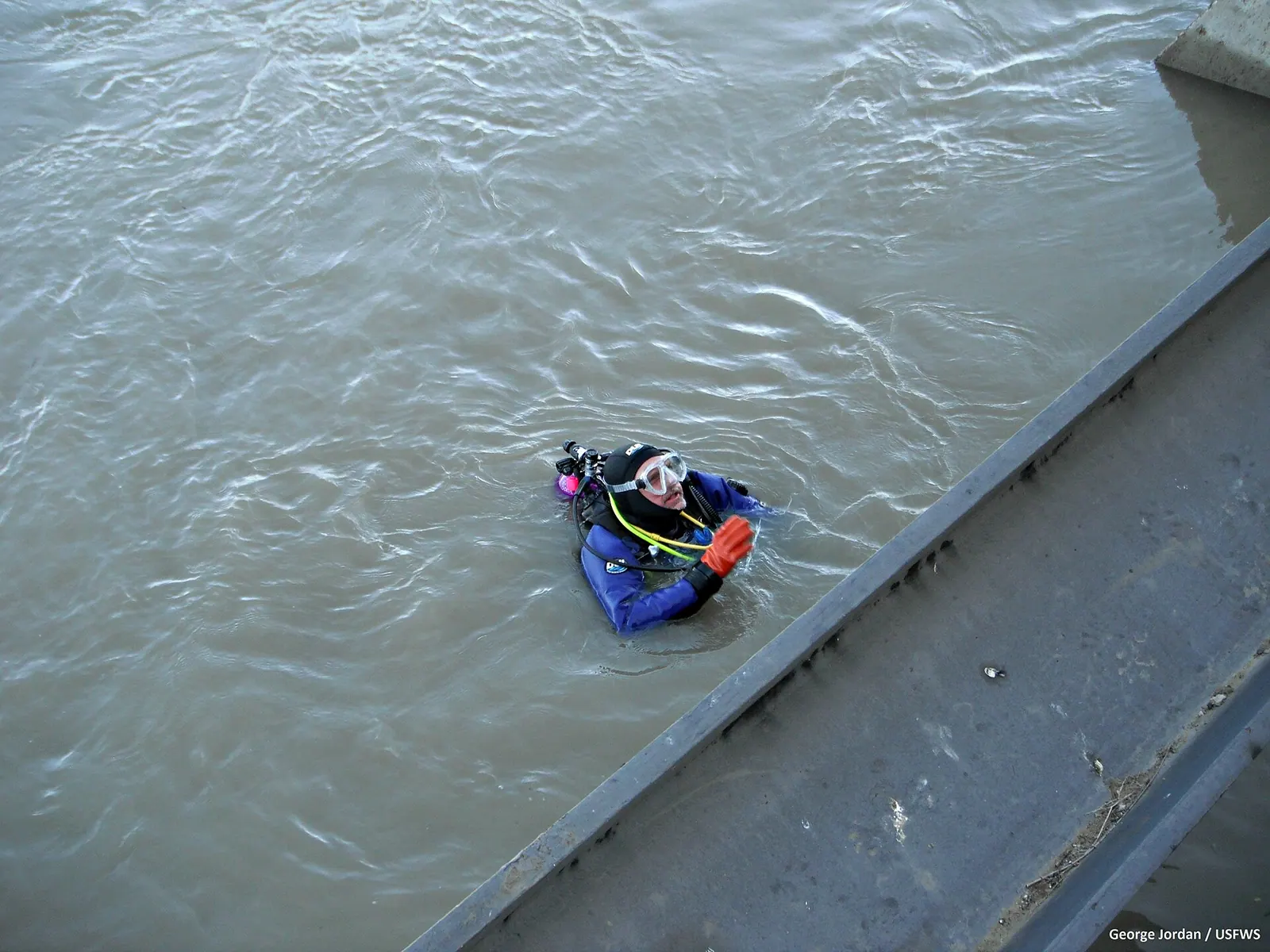
A hull cleaning diver gets in the water at your slip and soft-cloth cleans your entire boat bottom, waterline, propeller, and running gear, checks your zinc anodes, wipes your thru-hulls and transducers, and sends you a photo report when the dive is done. That is the short version of what a hull cleaning diver does on each visit. In San Diego, a recurring clean usually takes 20 to 45 minutes per boat and folds anode and prop work into the same dive, so you never need a separate trip.
We dive these marinas every week, so here is exactly what happens under your boat.
Key takeaways
- A diver cleans the full hull, waterline, prop, and running gear in one in-water visit.
- Zinc anodes get checked every dive and replaced at about 50 percent worn.
- Cleaning uses a soft cloth or light pad, the BMP method required in San Diego Bay, so paint is protected, not stripped.
- Most recurring cleans take 20 to 45 minutes and end with a photo report.
- No haulout, no moving the boat. The diver works at your slip.
What does a hull cleaning diver do, step by step?
A good visit follows the same order every time, so nothing gets missed. Here is the real sequence we run on a recurring San Diego dive:
- Gear up and splash at the slip. No need to move the boat or haul it out. The diver works in the water right where you keep it.
- Inspect first, clean second. A quick look at overall fouling, paint condition, and anything new since last time.
- Clean the hull bottom. Using a soft cloth or light pad, the diver wipes the slime layer and any soft growth off the full underwater hull.
- Clean the waterline and boot stripe. The waterline fouls fastest because it gets the most sun and oxygen, so it gets extra attention.
- Clean the propeller and running gear. Prop, shaft, struts, rudder, and trim tabs. A clean prop means less vibration, more speed, and lower fuel burn.
- Wipe thru-hulls, intakes, and transducers. So your depth, speed, and water intakes read true and stay clear.
- Check the zinc anodes. The diver measures wear and flags or replaces any past about 50 percent.
- Surface and report. You get a short note or photo report on condition, anode status, and anything to watch.
How does in-water hull cleaning work without hauling the boat?
In-water cleaning means the diver does all of it while your boat stays floating in its slip. There is no crane, no boatyard, no lost days on the hard. The diver scuba dives or free dives under the hull and cleans by hand.
The method matters. In San Diego Bay, divers are required to use soft-cloth best management practices (BMPs), a gentle cleaning standard tied to the Port of San Diego In-Water Hull Cleaning Permit. The idea is simple. A soft cloth lifts off slime and soft growth without grinding the antifouling paint, the copper-based bottom paint that slows growth, off your hull and into the water. That protects the bay and makes your paint last longer.
For most boats, routine in-water cleaning is all you ever need. A haulout is only for bigger jobs like a repaint or a blister repair. If you are not sure which your boat needs, see our breakdown of in-water cleaning vs a haulout.
What does the diver check besides the hull?
The cleaning is only half the value. A trained diver is also your eyes underwater. On each visit we are watching for:
- Anode wear: measuring your zincs and flagging the 50 percent mark before corrosion reaches your prop and shaft. Not sure which metal you should run? See our guide to the best anode type for San Diego saltwater.
- Paint condition: bare patches, chalking, or growth that will not release, all early signs you are getting close to a repaint.
- Running gear: a bent prop, a soft cutless bearing, line wrapped on the shaft.
- Thru-hulls and fittings: anything weeping, loose, or fouled.
- Hull surprises: blisters, new dings, or growth in odd spots.
Catching these early at the slip is far cheaper than finding them at a haulout or, worse, on the water.
How long does a hull cleaning take, and how often?
| Question | Typical answer |
|---|---|
| Time per recurring clean | 20 to 45 minutes for most boats |
| First clean on a fouled boat | Longer, sometimes billed hourly |
| Summer frequency | Every 3 to 4 weeks in warm San Diego water |
| Winter frequency | Every 4 to 8 weeks |
| Anode check | Every dive |
| Photo report | Every dive |
Warm bay water means growth restarts within 2 to 4 weeks, which is why a set schedule beats waiting until the bottom looks bad. On a tight cycle, the diver only ever wipes slime, never grinds barnacles, so each visit is quick and your paint stays intact.
Why the photo report matters
You never get in the water, so you are trusting the diver's word. A per-dive photo report fixes that. You see your own bottom, your anode wear, and your paint condition with your own eyes. It also builds a record over time, so when an anode is fading or paint is thinning, you can plan ahead instead of reacting. A diver who documents every dive is a diver who has nothing to hide.
FAQ
Do I need to be there during the cleaning? No. The diver works at your slip while the boat stays in the water, so you do not need to be present. You get a photo report afterward showing exactly what was done.
Does the diver clean the propeller too? Yes. The propeller, shaft, struts, and rudder are cleaned on every recurring visit. A fouled prop causes vibration, lost speed, and wasted fuel, so it is part of the standard service, not an add-on.
Will cleaning damage my bottom paint? Not with proper soft-cloth cleaning. San Diego Bay requires gentle BMP methods that lift growth without grinding the antifouling paint off your hull, which actually helps your paint last longer than aggressive scrubbing.
How will I know what condition my boat is in? A good diver sends a photo report after each dive covering hull condition, anode wear, paint, and anything to watch. That way you can plan anode swaps and your next haulout before problems get expensive.
Does the diver replace my zinc anodes during the cleaning? Yes. Anodes are checked every dive and replaced once they hit about 50 percent worn, all folded into the same visit so you avoid a separate service call.
Want a diver who shows the work?
We clean the hull, prop, and running gear, check your anodes, and send a photo report on every visit. No haulout, no guesswork. Get a quote or book a hull cleaning here.
SCHEMA NOTES
FAQPage Q&As: 1. Q: Do I need to be there during the cleaning? A: No. The diver works at your slip while the boat stays in the water, so you do not need to be present. You get a photo report afterward showing exactly what was done. 2. Q: Does the diver clean the propeller too? A: Yes. The propeller, shaft, struts, and rudder are cleaned on every recurring visit. A fouled prop causes vibration, lost speed, and wasted fuel, so it is part of the standard service, not an add-on. 3. Q: Will cleaning damage my bottom paint? A: Not with proper soft-cloth cleaning. San Diego Bay requires gentle BMP methods that lift growth without grinding the antifouling paint off your hull, which actually helps your paint last longer than aggressive scrubbing. 4. Q: How will I know what condition my boat is in? A: A good diver sends a photo report after each dive covering hull condition, anode wear, paint, and anything to watch. That way you can plan anode swaps and your next haulout before problems get expensive. 5. Q: Does the diver replace my zinc anodes during the cleaning? A: Yes. Anodes are checked every dive and replaced once they hit about 50 percent worn, all folded into the same visit so you avoid a separate service call.
BlogPosting summary: A first-hand San Diego operator's step-by-step of what a hull cleaning diver does on each in-water visit, from soft-cloth hull and prop cleaning to anode checks and a photo report, with timing and frequency.
Suggested images: - Alt: "Hull cleaning diver soft-cloth cleaning a boat bottom at a San Diego slip" - Alt: "Diver checking a worn zinc anode on a propeller shaft during in-water cleaning"
Ready for a cleaner, faster hull?
San Diego underwater hull cleaning, zinc replacement, and dive surveys. Owner-operated, permitted, and on a schedule you can count on.
Get your free quote