Best Great Lakes Boating Destinations for a Week-Long Cruise
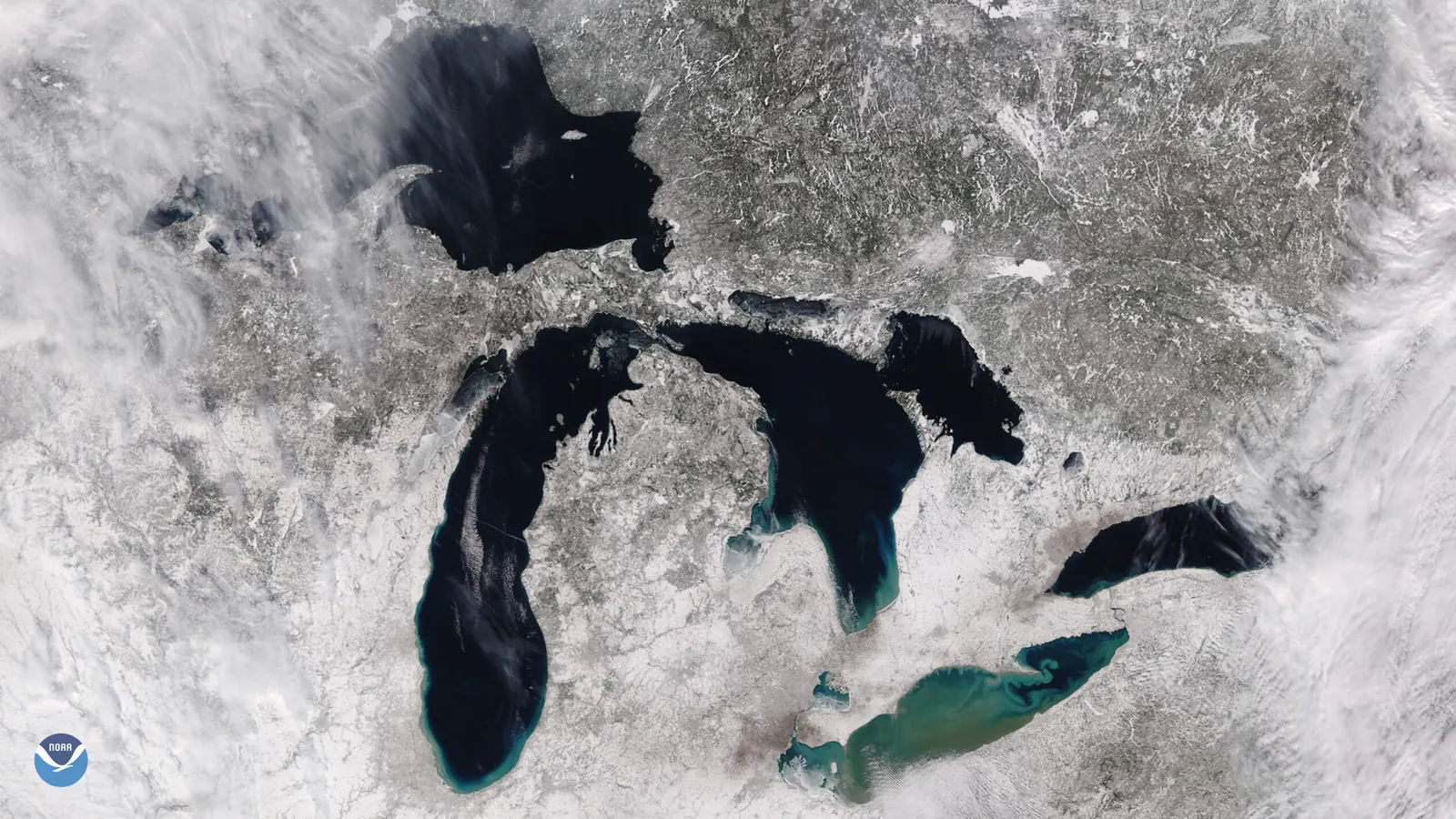
A solid week-long Great Lakes cruise usually covers 150 to 300 nautical miles depending on your cruising speed and how many stops you make. The three regions that reward the time most are northern Lake Michigan (Door County and Mackinac), the North Channel of Lake Huron, and the western basin islands of Lake Erie.
I spend most of my time under boats in San Diego Bay, but I grew up around boats on Lake Michigan and I still get calls from owners heading up there for the season who want hull and running gear advice before they go. The Great Lakes get overlooked in a lot of boating content that's all coastal, all the time, which is a shame because the cruising grounds up there are some of the best freshwater boating in the country.
Key takeaways
- A week gives you enough time for one region, not all three. Pick Lake Michigan, Huron, or Erie and go deep rather than trying to hit all of them.
- The North Channel of Lake Huron is widely considered one of the best freshwater cruising grounds in the world, with hundreds of anchorages between Little Current and the Benjamin Islands.
- Mackinac Island bans motor vehicles, so plan for bike or horse-drawn transport once you're ashore.
- Door County, Wisconsin has roughly 300 miles of shoreline packed into a peninsula you can cruise in a few days.
- Zebra and quagga mussels are established through most of the Great Lakes. They'll colonize your hull, strainers, and running gear faster than you'd expect in saltwater, so check intakes more often than you're used to.
How much time do you actually need for each region?
Lake Michigan's northern half, from Charlevoix or Traverse City up through Mackinac, is a comfortable 5 to 7 day loop if you're running 8 to 10 knots and stopping at 3 or 4 harbors. Door County alone can eat a full week if you island-hop from Sturgeon Bay to Washington Island and back.
The North Channel needs at least a week just to scratch the surface. Most boaters stage out of Little Current or Blind River and work west toward the Benjamin Islands and Beardrops Harbour. There's no cell service in a lot of the anchorages, which is either the best or worst part depending on your outlook.
Lake Erie's islands are the shortest hop. Put-in-Bay, Kelleys Island, and Middle Bass Island are all within a few hours of Sandusky or Port Clinton, so a week there is relaxed rather than a push. It's a good choice if you want more time at anchor and less time running the boat.
Best stops on Lake Michigan
Mackinac Island is the obvious highlight. No cars allowed, so everything moves by bike, foot, or horse and carriage. The marina at Mackinac fills up fast in July and August, so call ahead or plan to anchor out and dinghy in.
Charlevoix and Petoskey both have well-run municipal marinas with good fuel docks and are a reasonable 40 to 50 nautical mile run from Mackinac. Door County on the Wisconsin side is its own destination. Sturgeon Bay has the deepest, most protected harbor in the peninsula, and towns like Ephraim and Fish Creek are classic Door County stops with good dockage and easy walk-to-town access.
The North Channel and Georgian Bay
If you only cruise one region in your boating life, a lot of Great Lakes veterans will tell you make it this one. The North Channel runs along the north shore of Lake Huron between the Ontario mainland and Manitoulin Island, and it's mostly granite shoreline, clear water, and anchorages with almost no development.
Little Current is the main jump-off point with fuel, groceries, and a marina. From there the Benjamin Islands are the postcard stop, with pink granite rock and deep, protected anchorages. Georgian Bay, just east, adds the Thirty Thousand Islands, which is exactly what it sounds like. Bring a paper chart or a good chartplotter with detailed Canadian data, because the granite shoals here are unforgiving and not all of them are well marked.
Lake Erie's western basin islands
Put-in-Bay on South Bass Island is the liveliest stop, with a big harbor, plenty of transient dockage, and a downtown built around boaters. Kelleys Island is quieter and has some interesting glacial grooves worth a walk if you're ashore for a day. Middle Bass Island rounds things out with less crowd and a state park dock if you want a night away from the bar scene.
Depths in the western basin run shallower than the rest of the Great Lakes, often 20 to 30 feet, so it's not a place to run at night without paying close attention to the chart.
Provisioning, fuel, and hull notes for freshwater cruising
Fuel docks are more spread out on the Great Lakes than on the coasts, especially once you're past the major harbor towns. Top off whenever you're below half a tank rather than waiting, particularly in the North Channel where the next fuel dock might be 30 or 40 miles away.
Freshwater growth on hulls and running gear is different from what you get in saltwater. Zebra and quagga mussels are established through Lake Michigan, Huron, and Erie, and they'll colonize sea strainers, raw water intakes, and running gear surprisingly fast, sometimes within a few weeks in warm water. Check your strainers more often than you're used to on the coast, and if you're hauling out before winter, plan on a full bottom inspection since mussel colonies can build up in spots you wouldn't expect, like inside through-hulls and around trim tabs.
FAQ
What's the best month to cruise the Great Lakes? July and August give you the most reliable weather and warmest water, though the North Channel and Georgian Bay stay comfortable into September. June can still have cool nights and variable conditions depending on the year.
Do I need a passport for the North Channel or Georgian Bay? Yes. Both are in Canadian waters, so you'll need a valid passport for everyone aboard and you'll need to clear customs, usually by phone through the CBSA's telephone reporting system when you first arrive.
How deep is the water in the Great Lakes island regions? It varies a lot by region. The western basin of Lake Erie runs 20 to 30 feet in many areas, while the North Channel and Georgian Bay have plenty of water in the main channels but also sharp granite shoals, so careful chart work matters more than average depth.
Can I do a one-way Great Lakes cruise, like Chicago to Mackinac? Yes, it's a common trip and runs roughly 250 to 280 nautical miles depending on your route along the Michigan or Wisconsin shore. Most boaters break it into 3 or 4 travel days with stops at Charlevoix, Traverse City, or Ludington.
Are zebra mussels a real problem for boat hulls up there? Yes. They attach to hulls, running gear, and intakes and can build up fast in warm water, sometimes within a few weeks. It's worth a bottom check mid-season if you're staying in the water all summer, not just at haul-out.
Keep exploring before you cast off
A week-long Great Lakes cruise rewards picking one region and slowing down rather than rushing between all three. Whether it's the North Channel, Door County, or the Lake Erie islands, the marinas and anchorages up there hold their own against anything on the coasts. If you've got questions about prepping a boat for freshwater cruising, including hull and running gear care before a long trip, feel free to reach out.
SCHEMA NOTES
FAQPage Q&As: 1. Q: What's the best month to cruise the Great Lakes? A: July and August give you the most reliable weather and warmest water, though the North Channel and Georgian Bay stay comfortable into September. June can still have cool nights and variable conditions depending on the year. 2. Q: Do I need a passport for the North Channel or Georgian Bay? A: Yes. Both are in Canadian waters, so you'll need a valid passport for everyone aboard and you'll need to clear customs, usually by phone through the CBSA's telephone reporting system when you first arrive. 3. Q: How deep is the water in the Great Lakes island regions? A: It varies a lot by region. The western basin of Lake Erie runs 20 to 30 feet in many areas, while the North Channel and Georgian Bay have plenty of water in the main channels but also sharp granite shoals, so careful chart work matters more than average depth. 4. Q: Can I do a one-way Great Lakes cruise, like Chicago to Mackinac? A: Yes, it's a common trip and runs roughly 250 to 280 nautical miles depending on your route along the Michigan or Wisconsin shore. Most boaters break it into 3 or 4 travel days with stops at Charlevoix, Traverse City, or Ludington. 5. Q: Are zebra mussels a real problem for boat hulls up there? A: Yes. They attach to hulls, running gear, and intakes and can build up fast in warm water, sometimes within a few weeks. It's worth a bottom check mid-season if you're staying in the water all summer, not just at haul-out.
BlogPosting summary: A practical, region-by-region guide to planning a week-long Great Lakes boating cruise across Lake Michigan, Huron, and Erie, with marina, timing, and freshwater hull maintenance notes.
Suggested images: - Alt: "Sailboat anchored among granite islands in the North Channel of Lake Huron" - Alt: "Marina harbor view of Put-in-Bay on South Bass Island, Lake Erie"
Ready for a cleaner, faster hull?
San Diego underwater hull cleaning, zinc replacement, and dive surveys. Owner-operated, permitted, and on a schedule you can count on.
Get your free quote