
Outboard Motor Maintenance Schedule: What to Do and When
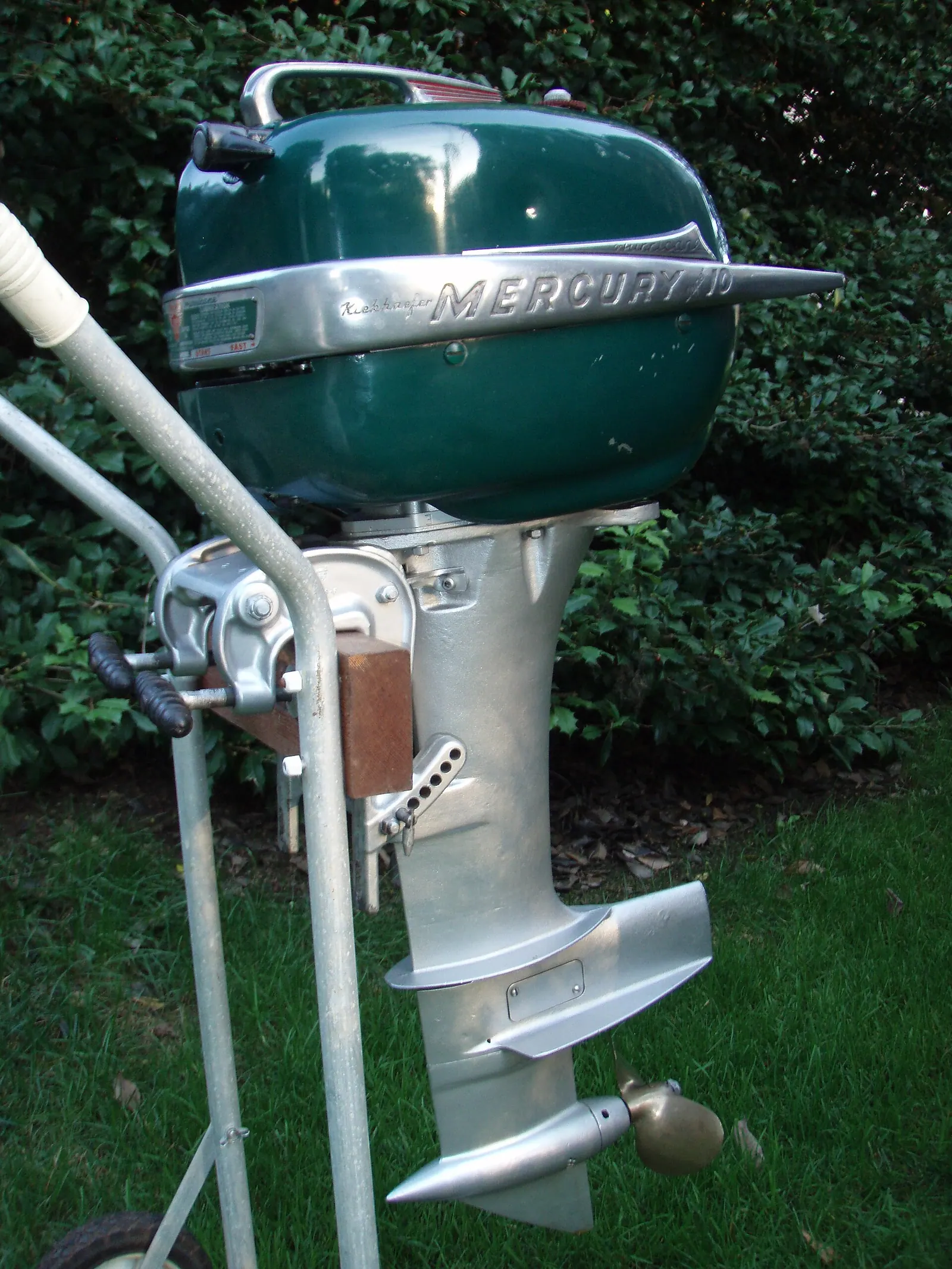
Most outboards need an oil change (four-strokes) every 100 hours or once a season, a water pump impeller replaced every 1-3 years, spark plugs checked at 100 hours, and gearcase oil changed every 100 hours or annually, whichever comes first. Two-strokes skip the oil change but still need the same attention to fuel, plugs, and lower unit.
I spend most of my working hours underwater looking at running gear, not turning wrenches on power heads. But after years of pulling props and checking zincs on boats up and down the coast, you start to notice a pattern. The boats with clean, healthy running gear almost always belong to owners who stick to a schedule instead of waiting for something to break. Outboards are no different. The engine doesn't care if you're in San Diego, the Chesapeake, or Lake Erie. Hours and time intervals matter more than the calendar page you're on.
Key takeaways
- 100 hours or once a year is the baseline for oil changes on four-stroke outboards, whichever comes first.
- Water pump impellers should be replaced every 1 to 3 years even if they look fine, because they fail from the inside out.
- Spark plugs get inspected at 100 hours and typically replaced every 200-300 hours or every other season.
- Gearcase lube needs changing annually, and any milky or metallic-looking oil means water intrusion or gear wear.
- Fuel system checks (filters, water separator, fuel lines) matter more than people think, especially with ethanol-blended gas sitting for months.
How many hours between oil changes on an outboard?
Four-stroke outboards need an oil change every 100 hours of run time or once per year, whichever hits first. That's the number Yamaha, Mercury, and Honda all land on for their four-stroke lines, give or take. If you're a weekend boater putting on 30-40 hours a season, you're changing oil annually regardless of the hour meter. If you run charters or fish hard on weekends, you'll hit that 100-hour mark well before the season ends.
Two-stroke outboards (the older carbureted ones and the newer direct-injection two-strokes like Evinrude E-TEC) don't use crankcase oil the same way, so there's no oil change in the traditional sense. But you still need to check gearcase oil and keep an eye on the oil injection reservoir if it's not pre-mix.
Don't stretch the interval because the boat "doesn't get used much." Oil breaks down from heat cycling and moisture absorption even sitting in the slip. A boat that runs 20 hours a year still needs an annual oil change.
What maintenance does an outboard need every season?
Beyond the oil change, here's what should happen at least once a year regardless of hours:
Water pump impeller. This is the part that fails at the worst possible time, usually when you're already out on the water and the temp alarm goes off. Manufacturers generally spec 1-3 years for replacement depending on brand and use. Salt water, sand, and running in shallow or silty water (common in the Gulf Coast and parts of Florida) shortens that window. I've pulled impellers that looked fine on the outside but had cracked vanes from just two seasons of use. When in doubt, replace it. It's a cheap part and an expensive tow if it fails.
Gearcase lube. Drain and inspect at least once a year, more often if you're running hard or fishing in skinny water where you might nick a prop or seal. Milky oil means water got in, usually through a bad seal, and that needs attention right away before it turns into a chewed-up gear set.
Fuel system. Replace the fuel filter/water separator annually or every 100 hours. Check fuel lines for cracking or softness, especially on older boats where the original lines may be 10+ years old. Ethanol-blended fuel sitting over a Great Lakes or Northeast winter causes more fuel system problems than almost anything else on the maintenance list.
Anodes. Check your outboard's trim tab anode and any block/lower unit anodes at least twice a year. These are sacrificial by design, so a 50% wasted anode isn't a problem, but one that's fully gone needs replacing immediately or the metal underneath (your outboard's lower unit) starts taking the hit.
What should be checked every time before running the engine?
This isn't a wrench job, just eyes and ears:
- Check the oil level (four-stroke) or oil injection reservoir level.
- Look at the prop for fishing line wrapped around the shaft. Line cuts into seals and causes water intrusion that ruins gearcase lube fast.
- Confirm you're getting a strong water stream out of the tell-tale (pee hole) within a few seconds of startup. Weak or no stream means a cooling problem, possibly an impeller on its way out.
- Listen for unusual knocking or a change in idle behavior.
None of this takes more than two minutes but it catches small problems before they become expensive ones.
Multi-year and long-interval items
Some jobs don't happen every season but need to be on your radar:
- Spark plugs: inspect at 100 hours, replace every 200-300 hours or every 2 years, whichever comes first. Fouled or worn plugs cause rough idle and poor fuel economy.
- Thermostat: inspect if you're seeing overheating symptoms, typically every 3-5 years as preventive maintenance.
- Fuel injectors (on EFI models): rarely need service unless you're running bad fuel or storing improperly, but a professional cleaning every 3-4 years isn't a bad idea if you're logging serious hours.
- Trim/tilt fluid: check annually, top off as needed, full flush isn't usually needed unless there's a leak.
Brand-specific intervals vary slightly. Mercury, Yamaha, Honda, and Suzuki all publish their own service schedules in the owner's manual, and those numbers should take priority over general guidance like this. But the 100-hour/annual baseline holds true across nearly every four-stroke outboard on the market today.
FAQ
How often should I change the oil in my outboard? Every 100 hours of run time or once a year, whichever comes first. This applies to four-stroke outboards. Two-strokes don't use crankcase oil the same way, so check your owner's manual for oil injection or pre-mix ratios instead.
How do I know if my water pump impeller needs replacing? Manufacturers generally recommend replacement every 1-3 years regardless of how it looks, because impellers fail from internal cracking that's not visible from outside. If you notice a weak or absent water stream from the tell-tale, stop the engine and have it inspected immediately.
Do I need to winterize my outboard every year? Yes, if you're in a region with freezing temperatures (Northeast, Great Lakes, parts of the Pacific Northwest). Winterizing protects the cooling system and fuel system from freeze damage and ethanol-related fuel breakdown over months of storage.
What does milky gearcase oil mean? It means water has gotten into the gearcase, usually through a worn or damaged seal. This needs immediate attention because water mixed with gear oil doesn't lubricate properly and can lead to expensive gear damage if ignored.
How many hours is considered high for an outboard? Well-maintained four-stroke outboards commonly run 1,500 to 3,000+ hours before major work is needed. The number depends heavily on maintenance history, not just age. An outboard with consistent oil changes and impeller replacements will outlast one that's been neglected, even with fewer total hours.
Staying ahead of it
The pattern I see again and again, whether I'm checking a prop in San Diego Bay or hearing from boaters elsewhere, is that engines fail from neglect, not bad luck. Stick to the 100-hour and annual intervals, keep an eye on the small stuff between services, and most outboards will run for decades without a major problem. If you've got questions about your specific setup or maintenance history, feel free to reach out.
SCHEMA NOTES
FAQPage Q&As: 1. Q: How often should I change the oil in my outboard? A: Every 100 hours of run time or once a year, whichever comes first, for four-stroke outboards. Two-strokes use oil injection or pre-mix instead, so check the owner's manual. 2. Q: How do I know if my water pump impeller needs replacing? A: Replace it every 1-3 years regardless of appearance, since impellers fail internally before showing outward signs. A weak water stream from the tell-tale means stop and inspect immediately. 3. Q: Do I need to winterize my outboard every year? A: Yes, in any region with freezing winters, to protect the cooling and fuel systems from freeze and ethanol damage. 4. Q: What does milky gearcase oil mean? A: Water has entered the gearcase, usually through a failed seal, and needs immediate attention before it damages the gears. 5. Q: How many hours is considered high for an outboard? A: Well-maintained four-strokes commonly reach 1,500 to 3,000+ hours; maintenance history matters more than raw hours.
BlogPosting summary: A practical, interval-based maintenance schedule for outboard motors covering oil changes, impellers, spark plugs, and gearcase service that boat owners anywhere can follow.
Suggested images: - Alt: "Mechanic checking outboard motor oil level on a center console boat" - Alt: "Close-up of a worn water pump impeller removed from an outboard lower unit"
Ready for a cleaner, faster hull?
San Diego underwater hull cleaning, zinc replacement, and dive surveys. Owner-operated, permitted, and on a schedule you can count on.
Get your free quote