
Winterizing Your Boat: A Complete Checklist
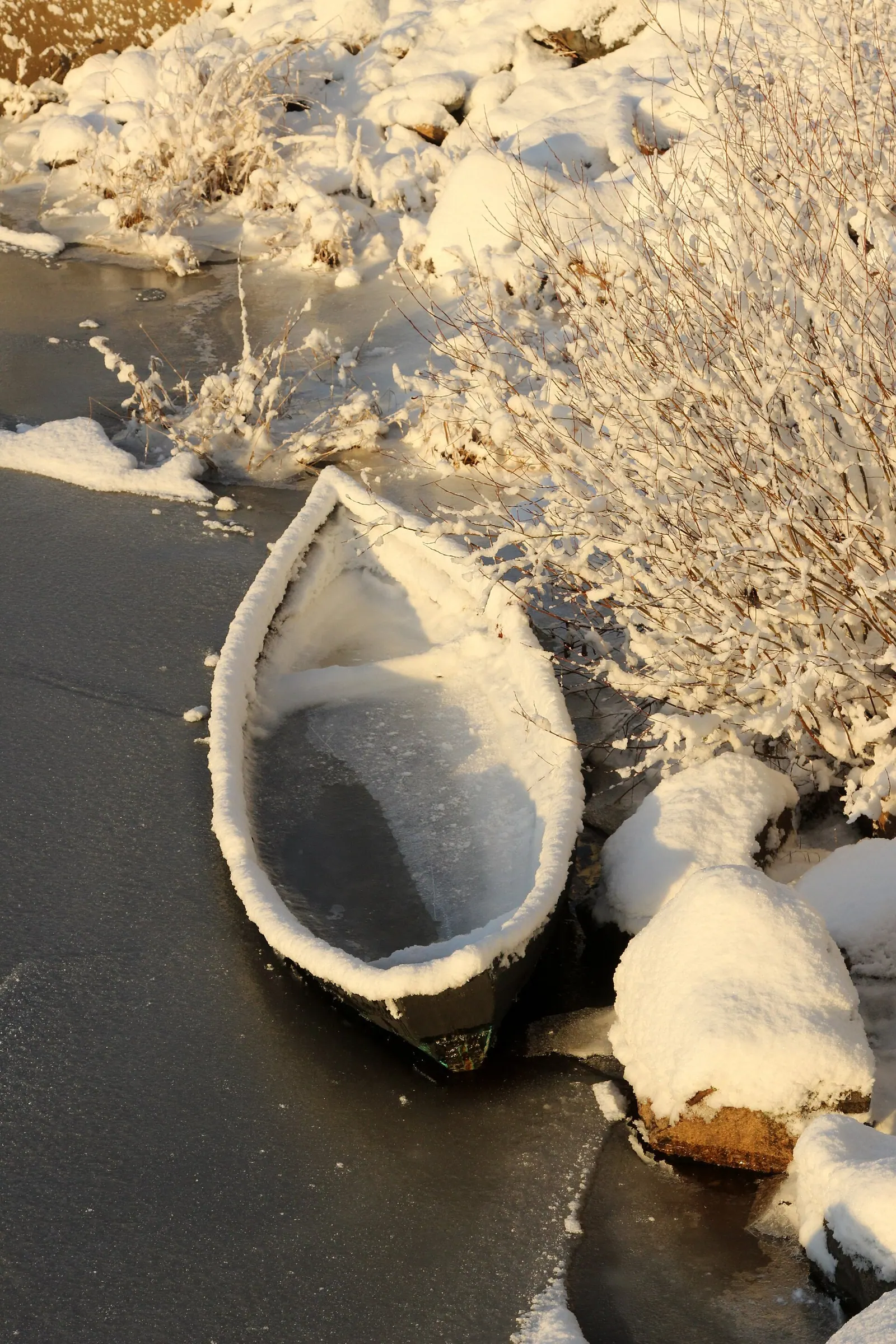
Winterizing a boat means protecting the engine, plumbing, and fuel system from freeze damage and fuel degradation before storage. The core steps are the same on almost every boat: stabilize the fuel, change the oil, get antifreeze or air into every water passage, fog the engine, and pull the batteries. Do it right and you'll spend $100 to $300 in materials on most boats under 30 feet, versus thousands in cracked block or manifold repairs if you skip it.
I've spent a lot of years working underwater on boats, mostly on hulls and running gear, but I talk to owners all winter who either did this themselves or paid a yard to do it. The boats that come out fine in spring are the ones where every single water passage got drained or filled with antifreeze. No exceptions, no "it's probably fine."
Key takeaways
- Freezing water expands about 9% and that's enough to crack a block, manifold, or raw water pump housing
- Run fuel stabilizer through the whole system, not just the tank, by running the engine after adding it
- Non-toxic propylene glycol antifreeze rated to -50°F or -100°F is the standard for engine blocks and plumbing, not the ethylene glycol automotive stuff
- Batteries lose charge faster in cold storage if left connected to anything, even a bilge pump float switch
- Fuel tanks should stay 90-95% full over winter to limit condensation, especially with ethanol blends
When should you winterize your boat?
Winterize before the first hard freeze in your area, not after. In the Great Lakes and Northeast that's usually mid to late October. In the Pacific Northwest it can be later, sometimes not until December, and some years barely at all in the milder coastal spots. Gulf Coast and Florida boats mostly skip the freeze-protection steps entirely but still benefit from fuel stabilization and battery maintenance if the boat sits unused for more than a month.
The real trigger isn't a date on the calendar, it's water temperature. Once your marina's water is consistently under 40°F overnight, you're in freeze risk territory for anything left aboard. Don't wait for a cold snap to catch you off guard, because a hard freeze overnight is enough to crack a raw water pump housing that had water sitting in it.
How do you winterize an outboard engine?
Outboards are simpler than inboards because most of the water passages drain naturally when you tilt the motor down. Here's the sequence I'd follow:
- Run the engine with fuel stabilizer added to the tank at the ratio on the bottle (most are around 1 oz per gallon, but check your specific product).
- Change the gear lube in the lower unit. Look at what drains out. Milky or cloudy oil means water intrusion and a seal problem you need to deal with before it sits all winter.
- Fog the engine. With the engine running at idle, spray fogging oil into the carburetor or air intake until it stalls slightly, then shut it down. This coats the cylinder walls and prevents surface rust over winter.
- Disconnect the battery and remove it for indoor storage if temperatures will drop below freezing where it sits.
- Tilt the motor all the way down for storage so any residual water drains out of the lower unit and exhaust housing.
- Check and replace the water pump impeller if it's due. Many manufacturers recommend replacement every 100 hours or every 2-3 years regardless of hours, and a cracked impeller from a winter freeze is a common cause of overheating the following spring.
How do you winterize boat plumbing and the engine block?
This is the step people skip and regret. Any place water sits, freshwater tank, water heater, head, sink, raw water cooling system, needs to either be drained completely or filled with non-toxic antifreeze.
For freshwater systems: drain the tank, water heater, and lines, then pump propylene glycol antifreeze through every faucet until it runs pink or blue (whatever color your brand uses) at the tap. Don't forget the shower sump, ice maker line, or washdown pump if you have one.
For raw water cooling on inboards and sterndrives: close the seacock, disconnect the intake hose, and run the engine briefly with the hose in a bucket of antifreeze until it comes out the exhaust. This pushes antifreeze through the entire block, heat exchanger, and exhaust manifolds. Then drain the block using the petcocks if your engine has them as a backup, since antifreeze concentration can get diluted by residual water if you're not careful.
Use propylene glycol antifreeze rated to at least -50°F, sold as "non-toxic" or "marine/RV antifreeze." Don't use straight ethylene glycol automotive antifreeze in any system that could contact drinking water or bilge water that eventually goes overboard.
What about batteries, fuel, and the hull itself?
Batteries should come out if possible, or at minimum get fully disconnected from everything, including bilge pumps and stereo memory circuits that draw a trickle even when "off." Store them somewhere between 50°F and 60°F if you can, not in an unheated garage where they'll freeze if discharged. A battery at full charge won't freeze until well below 0°F, but a discharged battery can freeze around 20°F and crack the case. Check voltage monthly over winter and top off with a maintainer if it drops below about 12.4 volts.
Fuel should be stabilized and the tank topped off to 90-95% full. This isn't about the fuel itself freezing, it's about condensation forming in the airspace above the fuel as temperatures swing, which is worse with ethanol-blended gas because that moisture can lead to phase separation over a long winter.
The hull should get cleaned before layup, not after. Growth and slime sitting against the hull all winter under a cover, especially in warmer climates where marine growth doesn't fully stop even in cold water, can stain gelcoat and make spring cleanup a much bigger job. If you're storing in the water rather than hauling out, a clean bottom going into winter also means whatever antifouling paint is left keeps working instead of getting overwhelmed by a slime layer.
Check zinc anodes before winter too. Even sitting idle, a boat in saltwater is still losing metal to galvanic corrosion, and a zinc that's already half gone in October won't make it through five months of winter.
FAQ
Do I need to winterize a boat in Florida or the Gulf Coast? You don't need freeze protection in most of those regions, but fuel stabilization and battery maintenance are still worth doing if the boat sits unused for more than 4-6 weeks. Skipping fuel stabilizer is one of the most common reasons boats won't start reliably after a long dock season, freeze or no freeze.
How much does it cost to winterize a boat? For a typical boat under 30 feet, expect to spend $100-300 on materials if you do it yourself (antifreeze, fogging oil, stabilizer, filters). A yard doing the full job, engine winterization plus shrink wrap, often runs $300-800 depending on boat size and region.
Can I use regular antifreeze instead of marine antifreeze? No. Automotive ethylene glycol antifreeze is toxic and can contaminate drinking water systems or end up in the bilge and overboard discharge. Use propylene glycol antifreeze labeled non-toxic or marine/RV grade.
What temperature should I winterize my boat? Do it before overnight water or air temperatures consistently drop below 40°F. Don't wait for the first freeze warning, because a single hard freeze overnight is enough to crack a block or housing if water is still sitting in it.
Do I need to fog an engine every year? Yes, if the engine will sit unused for more than a month, especially over winter. Fogging oil coats cylinder walls and prevents surface rust from forming during storage, which matters most in engines that see infrequent use through cold, humid months.
Get your boat through winter without surprises
Winterizing isn't complicated, it's just a checklist you can't shortcut. Fuel stabilized and circulated, every water passage drained or filled with antifreeze, batteries out or disconnected, and the hull cleaned before it sits. Skip a step and you find out about it in April, usually the expensive way.
If you're in the San Diego area and want a clean bottom and a zinc check before you tuck the boat away for the season, that's something we handle in the water without a haul-out. Otherwise, if you've got questions about any step above, feel free to reach out.
SCHEMA NOTES
FAQPage Q&As: 1. Q: Do I need to winterize a boat in Florida or the Gulf Coast? A: You don't need freeze protection in most of those regions, but fuel stabilization and battery maintenance are still worth doing if the boat sits unused for more than 4-6 weeks. Skipping fuel stabilizer is one of the most common reasons boats won't start reliably after a long dock season, freeze or no freeze. 2. Q: How much does it cost to winterize a boat? A: For a typical boat under 30 feet, expect to spend $100-300 on materials if you do it yourself (antifreeze, fogging oil, stabilizer, filters). A yard doing the full job, engine winterization plus shrink wrap, often runs $300-800 depending on boat size and region. 3. Q: Can I use regular antifreeze instead of marine antifreeze? A: No. Automotive ethylene glycol antifreeze is toxic and can contaminate drinking water systems or end up in the bilge and overboard discharge. Use propylene glycol antifreeze labeled non-toxic or marine/RV grade. 4. Q: What temperature should I winterize my boat? A: Do it before overnight water or air temperatures consistently drop below 40°F. Don't wait for the first freeze warning, because a single hard freeze overnight is enough to crack a block or housing if water is still sitting in it. 5. Q: Do I need to fog an engine every year? A: Yes, if the engine will sit unused for more than a month, especially over winter. Fogging oil coats cylinder walls and prevents surface rust from forming during storage, which matters most in engines that see infrequent use through cold, humid months.
BlogPosting summary: A practical, checklist-driven guide to winterizing a boat, covering fuel stabilization, engine fogging, plumbing antifreeze, battery storage, and hull care, written from the perspective of a working underwater dive operator.
Suggested images: - Alt: "Marine technician winterizing an outboard engine by draining the lower unit gear oil" - Alt: "Propylene glycol antifreeze being pumped through a boat's freshwater plumbing system before winter storage"
Ready for a cleaner, faster hull?
San Diego underwater hull cleaning, zinc replacement, and dive surveys. Owner-operated, permitted, and on a schedule you can count on.
Get your free quote